AGURIN DOESN'T SHAVE UNTIL NA RANK 1 ! NEW !khazix !course !borders
Unrasiert bis zum Rang 1: Der Kampf um die Spitze auf dem NA-Server


Transkription
Während einer langen Sitzung wurde eine Selbstbeschränkung erklärt, die bis zum Erreichen des ersten Rangs auf dem nordamerikanischen Server keine Rasur zulässt. In mehreren Partien wurde das eigene Gameplay auf Schwächen hin überprüft, wobei insbesondere Kommunikationsfehler und Positionsfehler hervorgehoben wurden. Zusätzlich wurden die Unterschiede zwischen den Servern diskutiert und die Leistung im Vergleich zu anderen Spielern eingeordnet. Am Ende wurde ein neuer persönlicher Punktestand erreicht, und die Motivation für weitere Fortschritte bleibt hoch.

League of Legends
Streamstart und Shaving-Challenge
00:01:55
Agurin beginnt den Stream und spricht über seine aktuelle Situation in Nordamerika. Er erwähnt, dass er im Fitnessstudio war, aber noch nichts gegessen hat. Im Rahmen seiner Challenge will er sich nicht rasieren, bis er den Rang 1 auf dem NA-Server erreicht. Er berichtet von den gestrigen Streams und sagt, dass er heute besser performen möchte. Zudem diskutiert er über seine Ernährung und den Tagesablauf, bevor er sich auf das erste Spiel vorbereitet. Er wirkt motiviert und fokussiert auf das Ziel, trotz der Herausforderungen.
Drama um Sheeden und Server-Atmosphäre
00:09:50
Agurin reagiert auf Chat-Nachrichten über Sheeden und geht auf die Rivalität ein. Er erklärt, dass Sheeden besessen davon zu sein scheint, gegen ihn zu gewinnen, und kommentiert die Dynamik auf dem Server. Außerdem spricht er über die generelle Qualität des Servers und seine Ziele, trotz der Widrigkeiten Rang 1 zu erreichen. Er betont, dass er sich nicht provozieren lässt und fokussiert bleibt. Die Unterhaltung zeigt die angespannte Stimmung im Hochrangigen Bereich und wie Agurin damit umgeht.
Bart und gestrige Performance
00:18:41
Agurin thematisiert seinen Bartwuchs und die Tatsache, dass er sich im Rahmen der Challenge nicht rasiert. Er reflektiert über die gestrige Stream-Performance, die unter den Erwartungen lag, und erklärt, dass er heute besser spielen will. Er erwähnt, dass er später nach einem Nickerchen wieder zurückkommen wird, und gibt Einblicke in seine Tagesplanung. Zudem spricht er über seine Ernährung und dass er noch nicht gegessen hat. Er wirkt nachdenklich und entschlossen, seine Leistung zu steigern.
Erstes Spiel gegen Viper
00:33:03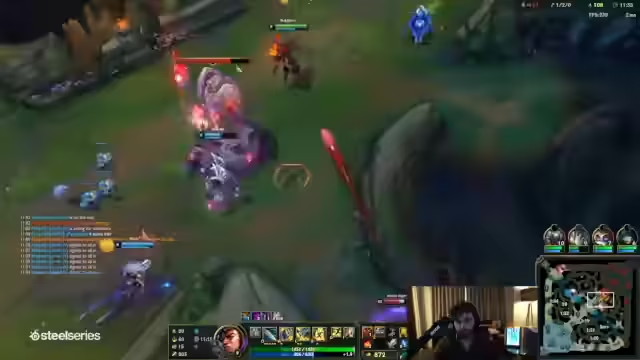
Das erste Spiel beginnt und Agurin analysiert den Draft. Er erkennt, dass er gegen Viper auf Riven spielt und bewertet die Teamzusammensetzung. Er kommentiert die Stärken und Schwächen beider Teams und versucht, eine Strategie zu entwickeln. Während des Spiels kommuniziert er mit seinem Team und gibt Anweisungen, um die Early Game-Phase zu dominieren. Er zeigt sich zuversichtlich, aber auch vorsichtig, da die Gegner stark sind. Er versucht, die richtigen Entscheidungen zu treffen und sein Team zu führen.
Nashor und Teamkämpfe
00:53:55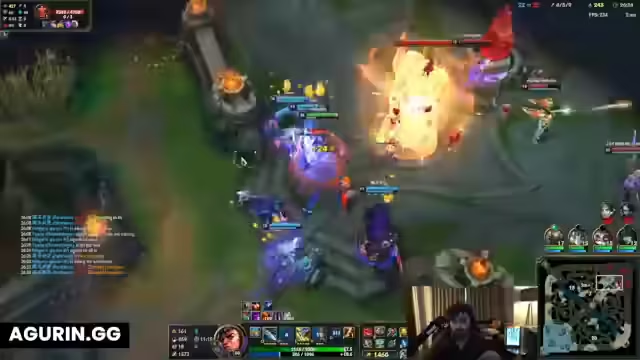
In der Mid-Game-Phase versucht Agurin, seinen Teamkollegen zu helfen und wichtige Ziele wie den Nashor zu sichern. Er kritisiert die Entscheidungen seiner Mitspieler, die nicht auf seine Pings reagieren und dadurch das Spiel gefährden. Er erklärt, dass das Team besser kommunizieren müsste, um die Kämpfe zu gewinnen. Trotz der Schwierigkeiten bleibt er optimistisch und versucht, das Spiel zu drehen. Er analysiert die Fehler und gibt Ratschläge, wie man die Situation verbessern kann.
Fortsetzung der Analyse und Uber-Beschwerde
01:06:50
Nach einer verlorenen Teamfight analysiert Agurin die Fehler, insbesondere die falsche Positionierung von Galio, der nicht die Bot-Lane pushte. Er erklärt ausführlich, warum die Entscheidung falsch war und wie das Spiel hätte gewonnen werden können. Parallel beschwert er sich über Uber Eats, da seine Bestellung nicht storniert werden kann und der Fahrer das Essen nicht liefert. Er wirkt frustriert über die Situation und lässt den Unmut über den Lieferservice in seine Kommentare einfließen.
Kanada vs. USA
01:19:31
Agurin diskutiert mit dem Chat über die Unterschiede zwischen Kanada und den USA. Er erzählt, dass er im letzten Jahr in Kanada war und nun in den USA lebt. Er vergleicht die Einwanderungsmöglichkeiten und Lebenshaltungskosten und gibt seine persönliche Meinung ab. Außerdem beantwortet er Fragen zu seinem Aufenthaltsort und erwähnt, dass er sich in Chicago befindet. Das Gespräch wechselt dann zu Spielmechaniken und Champion-Auswahl. Er zeigt sich interessiert an den kulturellen Aspekten.
Kampfanalyse und Lilia
01:30:42
Während eines Spiels analysiert Agurin einen Teamfight und erläutert die Entscheidungen seiner Mitspieler. Er spricht über die Stärken von Lilia und wie sie im aktuellen Meta eingesetzt werden sollte. Er diskutiert Item-Builds und Runen und vergleicht verschiedene Optionen. Dabei geht er auf die Bedeutung von Omnivamp-Boots ein und erklärt, warum sie auf Lilia besonders effektiv sind. Er wirkt zufrieden mit seiner eigenen Leistung und gibt Einblicke in seine Spielweise.
Dive und Grab
01:50:34
Agurin führt einen Dive auf den gegnerischen Top-Laner aus und erläutert die Risiken und Vorteile dieser Aktion. Er koordiniert sich mit seinem Team und versucht, einen Kill zu sichern. Nach dem erfolgreichen Dive spricht er über die Bedeutung von Timing und Kommunikation. Er nimmt dann ein Grab und setzt das Spiel fort, wobei er die Karte kontrolliert und weitere Ziele anvisiert. Er zeigt sich zufrieden mit der Ausführung und dem positiven Verlauf.
Hotel und Red Bull
02:01:05
Agurin zeigt sein Hotelzimmer und spricht über die Zusammenarbeit mit Red Bull. Er erklärt, dass Red Bull ihm einen günstigen Preis für das Hotel vermittelt hat und er dafür Werbung macht. Er zeigt den Red-Bull-Kühlschrank und erwähnt, dass er für die Dauer seines Aufenthalts in Chicago dort wohnt. Er beantwortet Fragen zu seinem Tagesablauf und wie er mit den langen Queue-Zeiten umgeht. Er wirkt entspannt und zufrieden mit der Unterkunft.
Jax und Makro
02:19:54
Agurin analysiert ein Spiel, in dem er als Jarvan spielt und gegen einen Jax antritt. Er betont die Bedeutung von Makro-Spiel und Wellen-Management. Er erklärt, wie er die gegnerische Jungler-Route ausnutzt und seine eigenen Camps timt. Er spricht über die Notwendigkeit, die Bot-Lane zu pushen und das Team zu koordinieren. Er zeigt sich zufrieden mit seiner Leistung, obwohl das Spiel knapp ist. Er gibt Tipps zur Verbesserung der Entscheidungsfindung.
Rengar als Gefahr
02:55:12
Agurin erkennt, dass der gegnerische Rengar eine große Bedrohung darstellt und viele Kills bekommen hat. Er erklärt, dass das Spiel nur verloren werden kann, wenn Rengar weiterhin so stark wird. Er versucht, das Team zu organisieren, um Rengar zu fokussieren und seine Schneeball-Effekte zu verhindern. Er diskutiert die Teamzusammensetzung und wie man gegen den Rengar bestehen kann. Dabei gibt er Tipps zur Positionierung und zum Kiting. Er wirkt besorgt, aber entschlossen.
Crash und Herald
03:46:54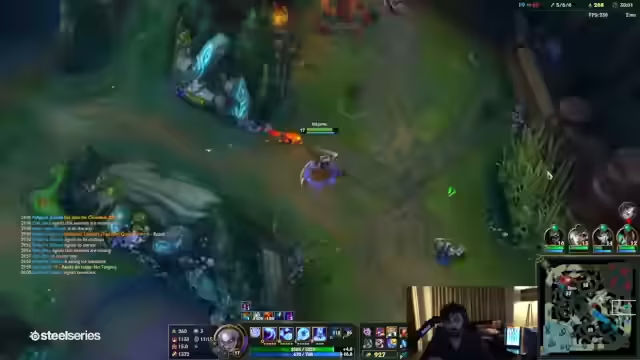
Agurin koordiniert einen Push auf die Bot-Lane und versucht, den Herald zu nutzen, um einen Tower zu brechen. Er erklärt die Bedeutung von Wave-Management und Timing. Er tauscht sich mit seinem Team über die richtige Vorgehensweise aus und kritisiert, wenn Mitspieler nicht auf seine Anweisungen hören. Er versucht, das Spiel zu kontrollieren und einen Vorteil herauszuspielen. Dabei geht er auf die Stärken seiner Champion-Wahl ein und zeigt eine klare Strategie.
Kanada-Idee und Ranked
04:12:00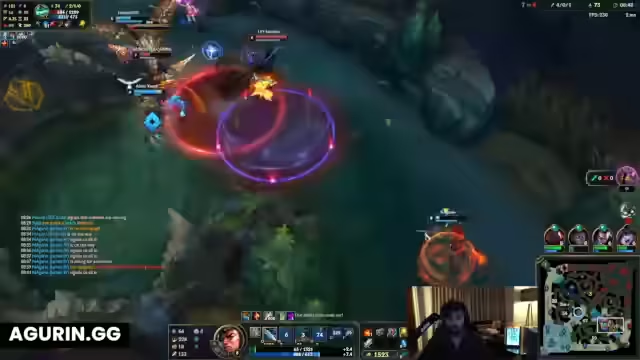
Agurin überlegt scherzhaft, nach Kanada zu gehen, um die 90-Tage-Frist für sein Visum zu umgehen. Er erklärt, dass er dann Zeit für Fun-Games und andere Inhalte hätte. Er spricht über die Kosten und wer das bezahlen würde. Anschließend geht er auf seine Ranked-Ziele ein und erwähnt, dass er viele Spiele spielen muss, um Rang 1 zu erreichen. Er diskutiert die Schwierigkeiten des Soloqueues und die Rolle von Glück. Er wirkt nachdenklich über die Zukunft.
Hancho und Entscheidungen
04:34:03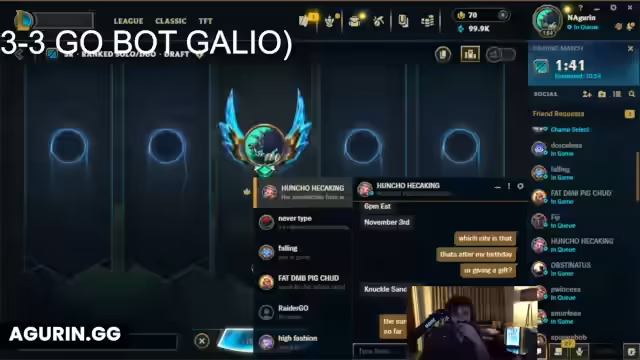
Agurin spielt ein Spiel mit Hancho und versucht, Entscheidungen zu treffen, die das Spiel gewinnen. Er analysiert die Gegner und die eigene Teamzusammensetzung. Er gibt Anweisungen und versucht, die Karte zu kontrollieren. Dabei geht er auf die Bedeutung von Kommunikation ein und kritisiert, wenn Mitspieler nicht richtig reagieren. Er wirkt fokussiert und versucht, das Beste aus der Situation zu machen. Er zeigt seine Führungsqualitäten im Spiel.
Galio-Video und Haver of the Day
04:54:56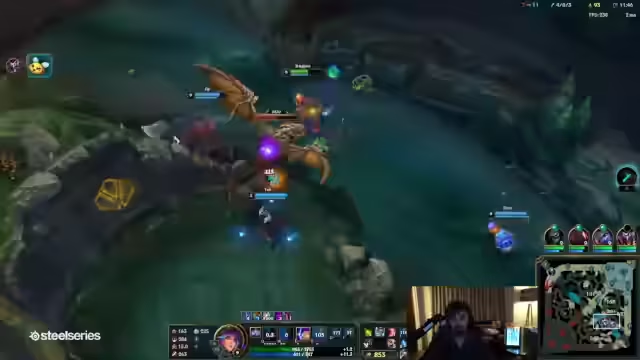
Agurin spricht über ein Video, das die Community über seine Galio-Spiele erstellt hat. Er erklärt, dass er heute Morgen ein Spiel gegen Viper verloren hat, weil sein Galio nicht die Bot-Lane gepusht hat. Er kürt den 'Haver of the Day' als Galio oder den Server. Er diskutiert die Fehler und wie das Spiel hätte gewonnen werden können. Er wirkt immer noch frustriert über diese Niederlage und gibt eine detaillierte Analyse der entscheidenden Momente.
Item-Analyse Lilia
05:30:35
Agurin analysiert die besten Items und Runen für Lilia. Er vergleicht verschiedene Builds und deren Winraten. Er erklärt, warum Omnivamp-Boots stark sind und wann man sie kaufen sollte. Er diskutiert die Synergien mit anderen Items wie Riftmaker und Cosmic Drive. Er gibt seine persönliche Präferenz an und erklärt, wie er Lilia in verschiedenen Situationen spielt. Er wirkt tief in die Materie eingetaucht und teilt sein Wissen mit den Zuschauern.
Salmon bestellen
05:57:18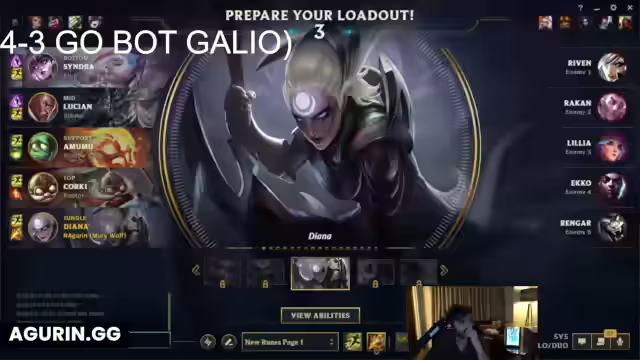
Agurin bestellt Essen über einen Lieferservice und entscheidet sich für Lachs mit Reis und Brokkoli. Er diskutiert die Preise und die Qualität des Essens. Er erwähnt, dass er den ganzen Tag noch nichts gegessen hat und hungrig ist. Er kommentiert die Lieferzeiten und hofft, dass das Essen schnell kommt. Anschließend kehrt er zum Spiel zurück und bereitet sich auf die nächste Runde vor. Er wirkt erleichtert, endlich etwas zu essen zu bekommen.
Rengar und Stacks
06:24:03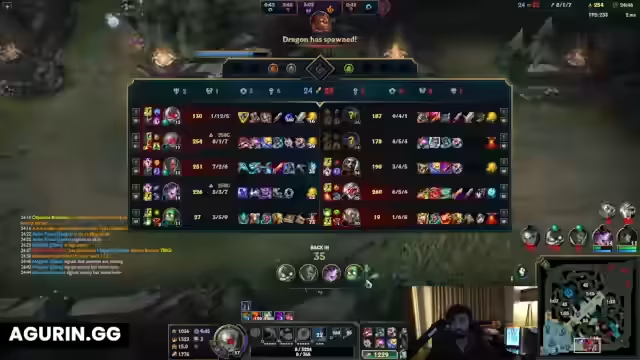
Agurin spielt ein Spiel, in dem der gegnerische Rengar viele Stacks erhält und stark wird. Er erklärt, dass er das Spiel gewinnen kann, wenn er Rengar kontrolliert. Er versucht, das Team zu organisieren und Rengar zu fokussieren. Er diskutiert die Bedeutung von Vision und Map-Awareness. Er zeigt sich kämpferisch und versucht, trotz der Widrigkeiten das Blatt zu wenden. Er gibt Anweisungen, wie man den Rengar aufhalten kann.
Retrain und Galio
06:49:52
Agurin reflektiert über seine Leistung und sagt, dass er viel trainieren muss. Er spricht über die Schwierigkeiten, gegen Win Trader zu spielen, und wie das seine Rangliste beeinflusst. Er diskutiert die Rolle von Galio in seinem Team und warum er oft falsch gespielt wird. Er erklärt, dass er trotzdem weiterkämpfen wird und sein Ziel nicht aus den Augen verliert. Er wirkt nachdenklich und analysiert die Gründe für seine Niederlagen.
Raider und Viper
07:26:55
Agurin kommentiert das Spiel von Raider und Viper und analysiert deren Entscheidungen. Er erklärt, dass er gegen Viper eine positive Bilanz hat und zeigt sich zuversichtlich. Er spricht über die Unterschiede zwischen den Spielern und wie man sie ausnutzen kann. Er erwähnt, dass er die Spiele beobachtet, um Strategien zu entwickeln. Er wirkt konzentriert und bereit für die nächste Partie. Er gibt Einblicke in seine Herangehensweise an starke Gegner.
Dragon und Schuss
07:50:31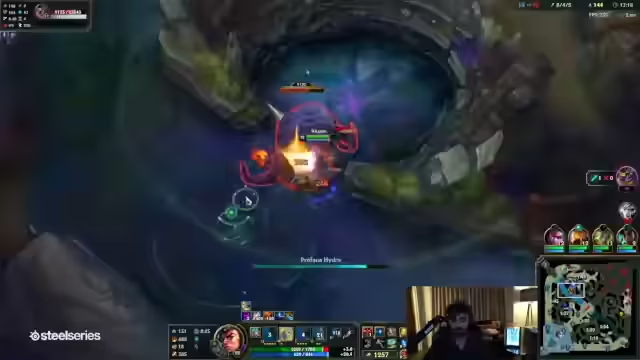
Agurin versucht, einen Dragon zu sichern und koordiniert sein Team. Er analysiert die Positionen der Gegner und versucht, den besten Moment für einen Angriff zu finden. Er spricht über die Risiken und Belohnungen und ob man den Kampf annehmen sollte. Er gibt Anweisungen und versucht, die Karte zu kontrollieren. Er zeigt sich entschlossen, das Spiel zu gewinnen und die richtigen Entscheidungen zu treffen.
Teamfights
08:05:22
Agurin betont die Bedeutung von Teamfights und die richtige Positionierung. Er erklärt, dass man sich nicht alleine aufhalten sollte, sondern als Team agieren muss. Er kritisiert, wenn Mitspieler zu früh sterben oder falsche Entscheidungen treffen. Er versucht, das Spiel zu lenken und die Kämpfe zu gewinnen. Er diskutiert die Compositions und wie man sie ausspielt. Er wirkt motiviert und versucht, sein Team zu führen.
Red Bull Deal
08:22:04
Agurin spricht über seinen Deal mit Red Bull und wie er das Hotel günstig bekommen hat. Er erklärt, dass Red Bull das Hotel für Athleten nutzt und er davon profitiert. Er zeigt den Kühlschrank und erwähnt, dass er dafür Werbung macht. Er beantwortet Fragen zu seinem Aufenthalt und wie er mit den langen Queue-Zeiten umgeht. Er wirkt zufrieden mit der Situation und dankbar für die Unterstützung.
Spielanalyse
08:46:25
Agurin analysiert ein Spiel, in dem er als Jarvan spielt und gegen einen starken Gegner antritt. Er erklärt die Entscheidungen, die er getroffen hat, und was er besser machen könnte. Er diskutiert die Bedeutung von Infos und wie man die gegnerische Route voraussagt. Er gibt Einblicke in seine Denkweise und wie er das Spiel liest. Er wirkt reflektiert und möchte aus seinen Fehlern lernen. Er zeigt eine tiefe Verständnis für das Spiel.
Masa Elo
09:08:45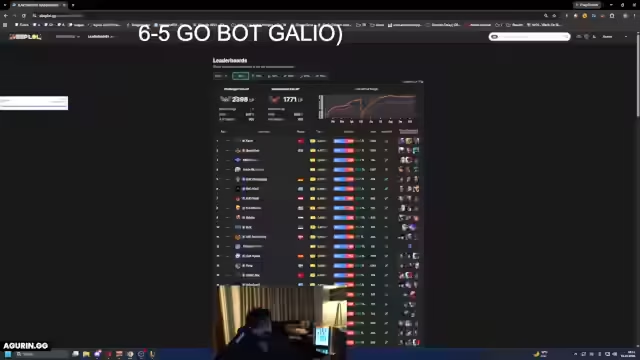
Agurin reagiert auf einen Spieler, der ihn kritisiert, und vergleicht die Elo-Systeme der Server. Er erklärt, dass ein Spieler mit 2500 LP auf NA auf EU-West nur etwa 2000 LP erreichen würde. Er diskutiert die Unterschiede in der Spielstärke und die Schwierigkeit, auf verschiedenen Servern zu ranken. Er wirkt überzeugt von seiner Meinung und verteidigt seine Ansichten. Die Diskussion zeigt seine Kenntnisse über die regionalen Unterschiede.
Grief und Jace
09:28:15
Agurin spielt ein Spiel, in dem sein Top-Laner zu viele Tode hat und das Spiel gefährdet. Er versucht, das Spiel zu tragen und die Fehler zu kompensieren. Er analysiert die Situation und gibt Anweisungen an sein Team. Er spricht über die Notwendigkeit, geduldig zu sein und auf die richtigen Gelegenheiten zu warten. Er wirkt fokussiert und versucht, das Blatt zu wenden. Er zeigt seine Fähigkeit, unter Druck zu bestehen.
Wurf und Server
09:53:05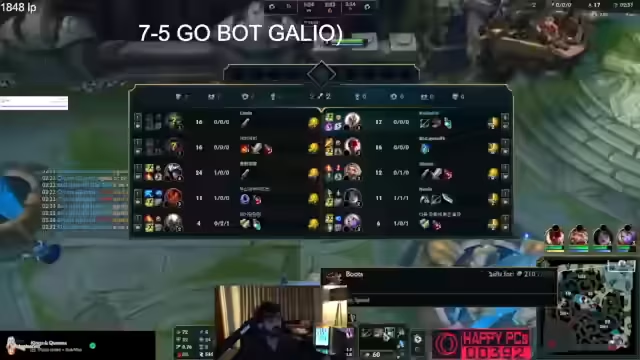
Agurin kommentiert ein Spiel, das er verliert, weil sein Team falsche Entscheidungen trifft. Er erklärt, dass die Server-Qualität schlecht ist und viele Win-Trader unterwegs sind. Er diskutiert die Auswirkungen auf das Ranking und wie schwer es ist, unter diesen Bedingungen zu klettern. Er wirkt frustriert, aber entschlossen, weiterzumachen. Er gibt Beispiele für die Probleme und wie sie das Spielerlebnis beeinträchtigen.
Nap und Spiel
10:29:18
Agurin plant, ein Nickerchen zu machen, während er auf das nächste Spiel wartet. Er spricht über die langen Queue-Zeiten und wie er sie überbrückt. Er zeigt sich müde, aber motiviert, weiterzuspielen. Er erwähnt, dass er nach dem Nickerchen wieder zurückkommen wird. Er wirkt entspannt und lässt sich von den langen Wartezeiten nicht aus der Ruhe bringen. Er nutzt die Pause sinnvoll.
Winn und Nidalee
10:49:23
Agurin spielt ein Spiel als Nidalee und versucht, das Spiel zu gewinnen. Er analysiert die gegnerische Jungler-Route und versucht, sie zu kontern. Er spricht über die Stärken und Schwächen von Nidalee und wie man sie effektiv einsetzt. Er gibt Anweisungen an sein Team und versucht, die Karte zu dominieren. Er wirkt konzentriert und zuversichtlich, dass er das Spiel beeinflussen kann.
Katarina
11:14:09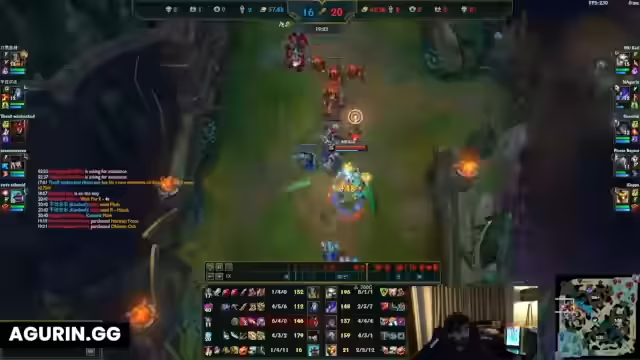
Agurin analysiert ein Spiel, in dem eine Katarina in seinem Team war und falsch gespielt hat. Er erklärt anhand eines konkreten Beispiels, wie die Katarina hätte handeln müssen, um einen Kill zu ermöglichen. Er geht auf die Mechaniken ein und warum die Entscheidungen falsch waren. Er zeigt Verständnis, aber auch Frustration über die fehlende Spielstärke. Er erklärt, dass solche Fehler das Spiel kosten und wie man sie vermeiden kann.
Viper Winrate
11:34:10
Agurin spricht über seine Bilanz gegen Viper und wie er oft gegen ihn gewinnt. Er analysiert die Spiele und erklärt, warum er gegen Viper erfolgreich ist. Er erwähnt, dass Viper eine starke Spieler ist, aber er die richtige Strategie kennt. Er wirkt selbstbewusst und freut sich auf weitere Duelle. Er gibt Tipps, wie man gegen starke Gegner bestehen kann.
Triple Win und Peak
11:49:58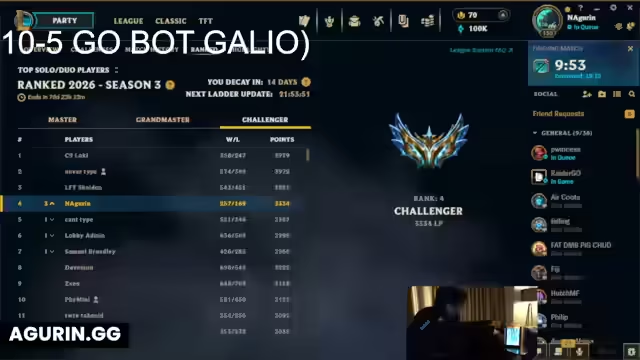
Agurin erreicht einen Triple Win und einen neuen persönlichen Peak in LP. Er freut sich über die Erfolge und erklärt, dass er auf gutem Weg ist, Rang 1 zu erreichen. Er spricht über die Bedeutung von konstanten Leistungen und wie er weitermachen will. Er dankt seinen Zuschauern für die Unterstützung und verspricht, weiterzukämpfen. Er wirkt motiviert und zufrieden mit seiner Entwicklung.
Übung und Ari Analyse
12:05:03
Agurin spricht über seine Trainingsroutine und dass er sich verbessern will. Er analysiert dann ein Spiel, in dem Ari (Katarina) einen Fehler machte, und erklärt ausführlich, was hätte passieren müssen. Er zeigt anhand von Clips die richtige Vorgehensweise und kritisiert die Umsetzung. Er betont, dass solche Details den Unterschied zwischen Sieg und Niederlage ausmachen. Er wirkt lehrreich und möchte seinen Zuschauern etwas beibringen.
Analyzing Ahri's Missplay and Communication
12:23:33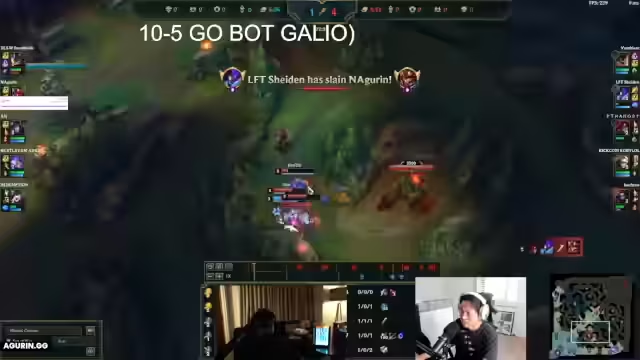
The stream begins with a detailed analysis of a critical moment in a game. The focus is on an Ahri player who fails to react to a potential gank from the enemy Kha'Zix. The commentary highlights how a simple warning ping could have prevented the death, emphasizing that such small acts of communication cost nothing but can change the outcome of a play. The discussion then shifts to the importance of reviewing one's own mistakes rather than blaming teammates. The player points out that while it might be entertaining to criticize others, it does not help improve one's own gameplay. This sets the tone for the entire stream, which revolves around self-improvement and analyzing specific decisions to learn from them. The section also covers the beginning of a particular play where the player tries to coordinate with Rumble top lane, but the execution falls short due to a missed combo, leading to a chain reaction of suboptimal outcomes.
Reviewing a Missed Combo and the Value of Small Details
12:27:37
The analysis continues with a focus on a specific missed combo that could have won the fight earlier. The player explains that landing the knock-up would have been crucial, as the subsequent damage would have secured a kill. However, because the combo is missed, the play drags on and allows the enemy Kha'Zix to flash out and escape. The commentary stresses that these small mechanical details are far more important than blaming teammates for poor performance. It is suggested that reviewing your own gameplay and focusing on micro-execution is the key to climbing, rather than questioning why teammates did not play better. The section also includes an example of how the player could have informed Ahri about the incoming gank with a simple ping, which would have made her more cautious and potentially saved her life. This underscores the ongoing theme of proactive communication and personal accountability in improving one's rank.
Debating Hindsight and Facechecking in a Team Fight
12:33:03
The discussion turns to a complex team fight scenario at the raptors. Both the player and a critic argue about whether it was wise to facecheck the bush given the unknown positions of the enemies. The player defends his decision by explaining that he expected the enemy Elise to be there and had calculated that he could one-shot her if she facechecked, especially since she was full HP and had repel. However, the critic counters that this is hindsight because there was no way to know the exact path of the enemies. The player acknowledges that in the moment, he did not know if the enemy team would approach from that side, but he believed that a well-coordinated effort with Ahri could secure a quick kill. The conversation highlights the thin line between calculated risk and hindsight bias, and the importance of making decisions based on available information rather than post-match criticism.
Ahri's Positioning and the Importance of Grouping
12:37:59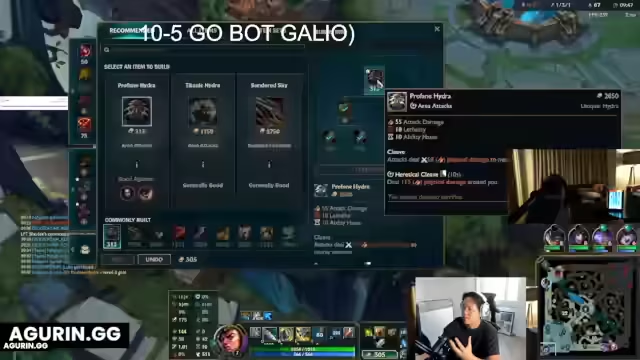
The focus shifts to Ahri's poor positioning throughout the fight. The player points out that Ahri should have been standing with him to create a 2v3 advantage, but instead she chose to stay in the bush and did not engage. This allowed the enemy team to coordinate better, and ultimately the play failed. The player emphasizes that Ahri's hesitation and lack of communication were the primary reasons for the loss. He suggests that if Ahri had simply followed his lead and collapsed on the enemy Elise, the fight would have been won easily. The section also includes a moment where Ahri finally agrees with the player's assessment, acknowledging that she made a mistake. This brief moment of agreement is rare, and the player uses it to reinforce his point about the importance of teamwork and positioning in high-level play.
W Server Moments and Scaling Advantage in the Late Game
12:40:33The commentary moves to a broader discussion about the current game state, highlighting a 'W server' moment where the player successfully executes a high-level play. He notes that the enemy team has a scaling disadvantage with champions like Elise and Ezreal compared to his team's composition featuring Katarina and Lulu. He explains that the game is in a favorable position if the team makes the right calls. The player also criticizes the Katarina player for not being aggressive enough, pointing out that she had no flash and was positioned poorly. He argues that with proper coordination, the team could easily secure a kill on her and snowball the game further. This section demonstrates the player's deep understanding of the game's macro and his strategic thinking in evaluating win conditions.
Decision Making on Katarina's Flash and Wave Position
12:43:12
The player analyzes a critical window where the enemy Katarina has no flash and is separated from her minions. He explains that the correct play would be to wait for her to commit to the wave, then engage with a combo to secure the kill. However, he notes that in the heat of the moment, he decided to act immediately because waiting could allow Katarina to reach safety. He details the exact mechanics of how Katarina would move, predicting her path and ensuring that his allied Ahri could follow up with a Charm to guarantee the kill. He acknowledges that this was a split-second decision that required a lot of game knowledge and instinct. The section underscores the importance of making quick, well-informed choices in fast-paced team fights.
Asking Peng About the Ahri Call and Analyzing Communication
12:46:33The player turns to his friend Peng, who is also streaming, to get a second opinion on the Ahri play. He sets up a hypothetical scenario where Peng is the Ahri, facing a fed Katarina without flash. He asks Peng what he would have done, framing it as a test of his game sense. Peng's response is that he would have waited for Katarina to come to the wave, but the player disagrees, arguing that waiting would allow Katarina to escape. This leads to a friendly debate about the best course of action. The player also reflects on his own communication, noting that he had all-in pings, which should have signaled his intent to Ahri. He concludes that while Ahri made mistakes, his own communication could have been clearer, but ultimately the blame lies with Ahri's failure to follow up.
Strategic Wave Management and Creating a 5v4 Advantage
12:49:57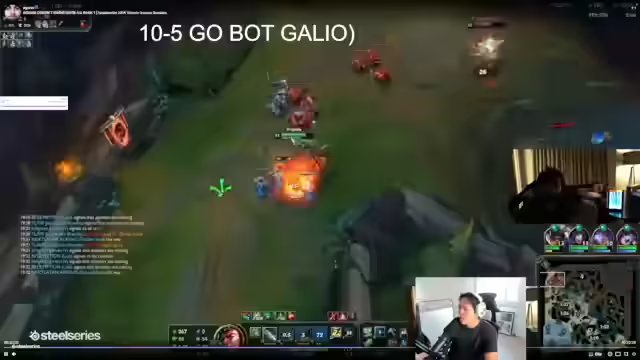
The player explains the reasoning behind pushing the mid wave as a jungler. He states that pushing the wave quickly creates a priority advantage, forcing the enemy Katarina to catch it and leaving the rest of the team vulnerable. This allows Ahri and Jarvan to group and roam, creating a 5v4 situation. He warns that Ahri must be cautious of a Kha'Zix flank, but believes that with proper vision and positioning, the team can secure objectives. He also discusses the importance of controlling the river bush to catch enemies off guard. The section highlights the player's strategic depth in understanding wave states and map pressure, demonstrating how small decisions can lead to significant advantages.
Ahri's Tilt and the Failure to Group for the Dragon
12:52:53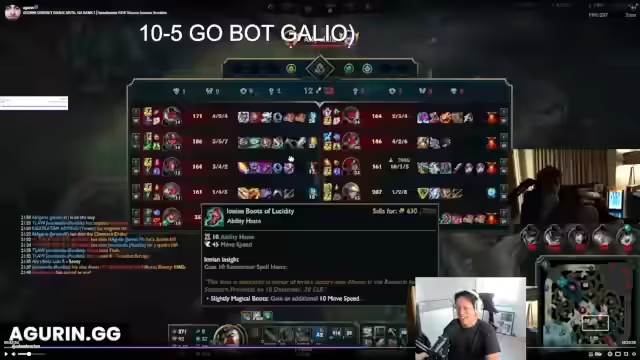
The player criticizes Ahri for being tilted and not grouping for the dragon fight. He points out that she is clicking on the tier 2 tower and pressing S, showing a lack of focus. He explains that if Ahri had positioned correctly in the bush, the team could have trapped enemies and won the fight before it started. He also notes that Malphite is top lane, which means the enemy team is limited in their rotations. The player emphasizes that grouping and coordinating with the team is essential for securing objectives, and Ahri's refusal to cooperate is a major problem. He suggests that if Ahri had simply followed his lead, they could have controlled the map and snowballed the game.
Vision Control and the Decision to Pull the Dragon
12:55:52The player discusses the importance of vision control around the dragon pit. He notes that the enemy team has no vision in the area, making it risky for them to contest. He argues that if the team pulls the dragon into the bush, they can trap enemies facechecking and win the fight instantly. However, he admits that this is a hindsight decision because he didn't know if the enemy would commit. He also considers the possibility of starting the dragon and using spells to minimize risk. The section highlights the trade-offs between proactive plays and reactive plays, and the difficulty of predicting enemy intentions in solo queue.
Disagreement with Peng on Waiting for Katarina
12:59:19
The player continues his debate with Peng about the correct play against Katarina. Peng suggests that waiting for Katarina to use her E on the wave would allow them to kill her, but the player counters that if she uses E, she will be out of range and could escape. He explains that the key is to predict her path and use the blast cone to reposition. He also mentions that Ahri's Charm is a crucial setup, but she failed to use it properly. The discussion becomes more heated as the player insists that his approach was correct, while acknowledging that Peng's perspective has merit in a different scenario. Ultimately, the player believes that his decision to act immediately was the right call given the information available.
Fight Call Hindsight and the Role of Half-HP Enemies
13:02:42
The player analyzes a team fight where the enemies had only half HP, but his own team lost due to a misplay. He argues that fighting a half-HP Elise and Ezreal with full vision is a losing battle if the team plays correctly. He points out that Ahri and Rumble should have been positioned in the bush to zone enemies, but instead they mispositioned and allowed Malphite to engage on the backline. He also mentions that the enemy team had already used their key abilities, making the fight winnable if they had executed properly. The section reflects his frustration with the loss, as he believes the fight was completely in their favor but was thrown away by individual mistakes.
Healing Costs Time and the Potential for an Ace
13:07:28The player explains that the enemy team's healing costs them time, which is crucial in the dragon fight. He insists that if the blue team plays like humans, the fight is not winnable for the red team. He points out that Ahri sitting in the bush alone would be enough to turn the fight, as she could zone and charm enemies. He also notes that the only problem in the fight is his own ADC getting caught by Malphite's ultimate. He suggests that if the ADC avoided that, they would easily ace the enemy team. This section highlights his belief in the strength of his team's composition and the importance of execution over individual heroics.
Ahri's Slow Movement and the Missclick on Jarvan
13:09:13
The player reviews a play where Ahri is noticeably slow in moving to the correct position. He points out that she takes a long time to rotate, which allows the enemy to collapse. He also mentions a misclick where Jarvan (presumably his character) accidentally clicks on the ground and gets hit by a tower shot due to the terrain. He downplays this as a minor mechanical error, but emphasizes that Ahri's slowness is a more significant issue. He then compares the two issues, noting that missing a click is less critical than being AFK for 40 seconds. The section reinforces his view that teammate actions are often more impactful than his own small mistakes.
Game Counts and Winrate: Debunking the Consistency Argument
13:12:29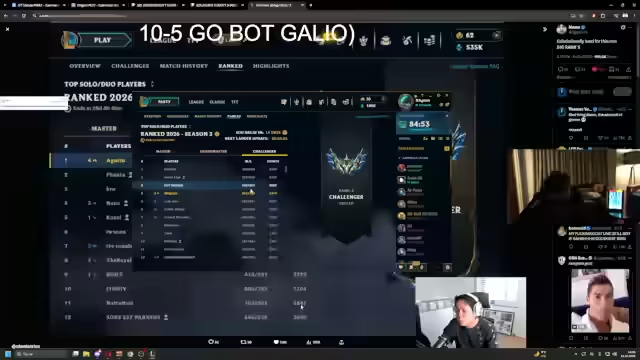
The player addresses a comment about his high game count (2,400 games) compared to others in Challenger. He argues that game count alone does not indicate skill or consistency, pointing out that a higher winrate despite more games shows improvement. He gives an example that if Nettil played 1,000 more games, his stats would look similar. He dismisses the critique that his playstyle is inefficient, insisting that he simply plays more. He also mentions that his winrate is 54.3%, which is solid, and notes that the quality of his gameplay has improved over time. The discussion shifts to a broader point about how focusing on game count is irrelevant and that one should focus on learning from specific plays.
Focusing on Self-Improvement vs. Teammates in Review
13:15:02
The player emphasizes the importance of reviewing your own mistakes rather than criticizing teammates. He recalls a time when he had a subscriber who proposed a theory about focusing on teammates, but he argues that this does not lead to improvement. He explains that while it is tempting and even entertaining to point out others' errors, it does not help you climb. Instead, he suggests that you should constantly ask yourself what you could have done better, even if you think you played well. He gives an example where he could have pinged danger for Ahri more clearly, but ultimately the blame lies with her. This section reinforces his philosophy of personal accountability in high-level gameplay.
Resetting and the Hostage Situation with Ahri
13:20:18The player discusses a situation where he is forced to reset because Ahri refuses to communicate or group. He explains that he cannot do anything better in that situation, as Ahri is simply standing on tier 2 tower and not responding to his pings. He describes it as being 'hostage' because he has no control over her actions. He mentions that he could have played safer, but his instinct was to be aggressive and start the dragon. He then reflects on a play where he started the dragon but was uncertain if the enemy would contest. He acknowledges that pulling the dragon is better in hindsight, but at the time he did not have the information needed to make that decision. The section highlights the challenges of solo queue coordination.
Pulling the Dragon and Team Fight Preparation
13:23:53
The player engages in a deep tactical discussion about whether to pull the dragon into the bush. He argues that pulling the dragon with a Q and having an XQ (likely Sunfire or other item) ready would guarantee a win in the fight, because it sets up a trap. However, he also considers the risk that enemies might not contest, and that pulling the dragon might waste time. He explains that in high-level play, teams should be coordinated and all follow the same plan, but in solo queue, it's often unpredictable. He concludes that while pulling the dragon is theoretically correct, it requires a level of teamwork that is rarely present. This section demonstrates his analytical approach to decision-making under uncertainty.
Standards and Assuming Teammates' Knowledge
13:28:05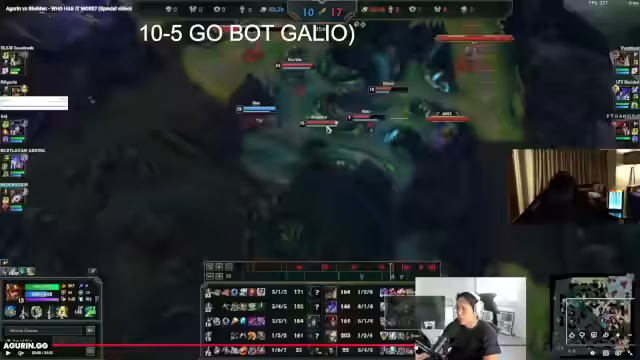
The player discusses the concept of assuming teammates know what you know. He points out that in solo queue, you cannot expect players to have the same level of game knowledge, so you should not rely on them to make optimal plays. He gives an example of a facecheck situation where he assumed Ahri would follow up, but she didn't, leading to a loss. He suggests that you should always play assuming the worst-case scenario from your teammates, rather than expecting them to make the right move. This is a pessimistic but realistic approach that many high-elo players adopt. The section also touches on the idea that you should not be too flexible in your plans, as that can lead to confusion and mistakes.
Ahri's Slow Play and the Importance of Micro
13:31:02The player reviews a play where Ahri takes too long to react, likely because she is tilted. He points out that she hesitates when moving to the mid lane, which costs time and allows the enemy to set up. He also mentions a misclick on his own part where he accidentally clicks on the ground, but he downplays it as a minor issue. He contrasts his own mistake with Ahri's prolonged AFK behavior, arguing that his mistake is small and easily correctable, while hers is a systemic problem. This section reinforces his belief that micro details matter, but larger macro mistakes by teammates have a more significant impact on the outcome.
Micro vs Macro: The Ceiling of Skill
13:33:48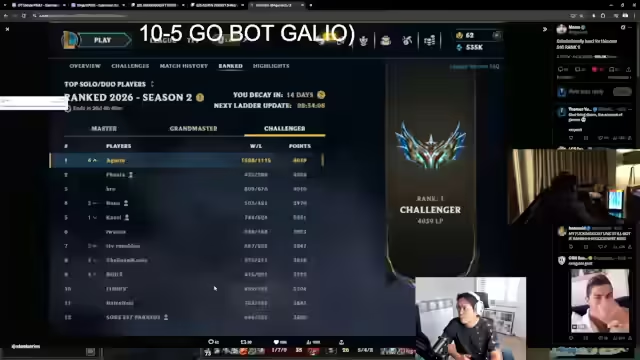
The player has a conversation with another person about the balance between micro and macro skills. The person argues that once you reach a certain macro ceiling, you should focus on improving your micro to break through plateaus. The player agrees with this concept but admits that he focuses mostly on macro because he feels his micro is already strong. He gives examples from his own gameplay where micro misplays occurred, and notes that paying attention to them could help him climb. He also mentions that he sees many players spending too much time critiquing teammates instead of honing their own mechanics. This section highlights his self-awareness and willingness to consider external feedback.
Example Play: Facechecking the Brush with Ari
13:37:25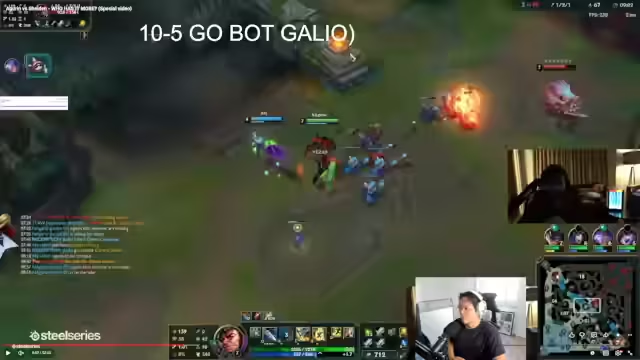
The player examines a specific scenario where he and Ari should have facechecked a brush together to catch an enemy. He notes that if they had coordinated, they could have secured a kill on an out-of-position enemy, but Ari did not follow. He explains that the play was winnable if both players committed, but Ari's hesitation caused the opportunity to vanish. He also discusses the importance of understanding your teammate's perspective and potential fear of making mistakes. The section serves as a practical example of how communication and trust are essential in high-stakes situations, and how even a single player's failure to act can turn a winning play into a losing one.
Communication and the Even Wave: A Wrong Conception
13:40:56The player addresses a misconception about communication in the game. He argues that it is not difficult to communicate your intentions, but it is often not done enough. He gives an example where he wanted to invade the enemy jungle, but the wave was even, and he assumed his teammates would follow. However, they did not, and the play failed. He explains that in an even wave, there is no pressure to act, so you should adjust your plans accordingly. He suggests that you cannot force a play if your team is not ready, and that you need to be more adaptable. This section highlights the challenges of coordinating with random teammates and the need for clear, concise communication.
Reviewing a Yasuo Game to Spot Recurring Mistakes
13:42:23The player recounts a previous game where he played Yasuo top lane against a Lilia. He remembers a specific fight where the team was in a warded area and Jace, Katja, and Zoey were involved, resulting in a team wipe. He uses this as an example to illustrate how players often make the same mistakes repeatedly without recognizing them in-game. He notes that recording and reviewing your own gameplay is essential to identify patterns and fix them. He then connects this to his current analysis, emphasizing that he is constantly looking for his own errors rather than blaming others. This reflection shows his commitment to continuous improvement.
The Invade Play: Discipline and Decision Making
13:44:22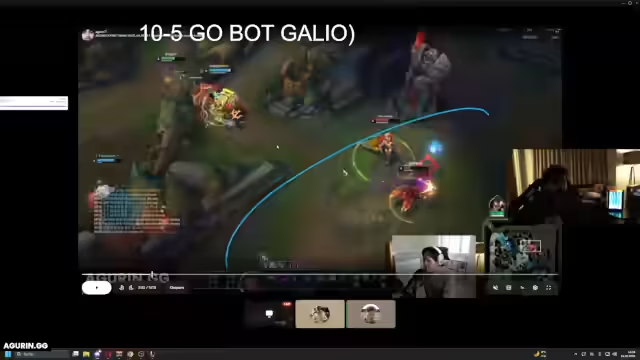
The player dives into an invade play on the raptors he made earlier. He acknowledges that he attempted it without full knowledge of the enemy positions, and it turned out badly. He admits that he should have been more disciplined and backed off once the enemy Nautilus used his ultimate, but he chose to continue, leading to a death. He also discusses the enemy Jace's positioning and how a well-timed Nautilus ult could have killed him, but the coordination was lacking. He accepts responsibility for this mistake, noting that it was a discipline problem rather than a mechanical one. This section underscores the importance of knowing when to retreat from a bad situation.
Rakan's Boosted Play and Overextension on the Map
13:47:43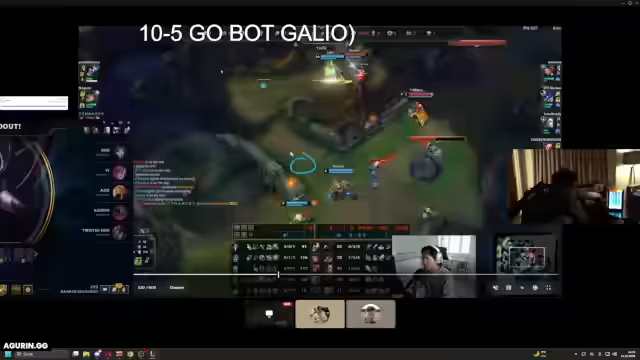
The player criticizes an enemy Rakan for a poor play that allowed his team to escape a fight. He explains that Rakan could have flashed over a wall to engage, but instead he mispositioned. He also comments on his own overextension during the invade, acknowledging that he put himself in a risky situation. He argues that if Rakan had played better, the fight would have been lost, but due to the enemy's mistakes, his team got away. He uses this as a lesson about not always assuming your opponent will make the right call. This section highlights the unpredictability of solo queue and the importance of capitalizing on enemy errors.
Twitch Chat Influence and the Final Game
13:51:28The player interacts with Twitch chat, which has been telling him not to go for invades. He admits that he often gets defensive and double-guesses himself because of chat's influence. He says that this is a problem because he sometimes makes decisions based on what chat says rather than his own judgment. He then moves on to play his final game of the stream, noting that he has been online for 14 hours. He comments on the enemy jungler being 'autofilled' and expected to be bad. This section shows his awareness of external factors affecting his performance and his determination to push through fatigue to reach a goal.
Final Game Highlights and W Server Moments
13:53:40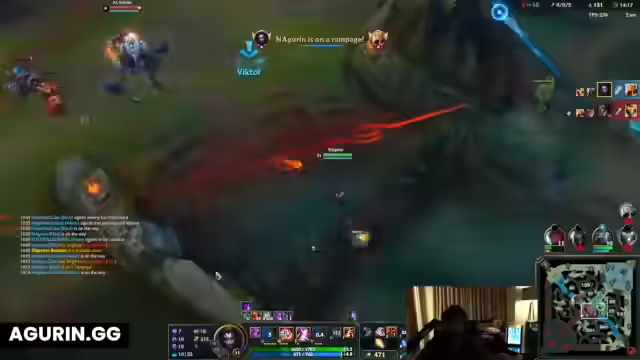
The player showcases several impressive plays in his final game, referring to them as 'W server' moments. He makes a skill check on an enemy and successfully eliminates them, which he celebrates with the term 'Wserver'. He also discusses his itemization and build choices, noting that he is fed and able to carry. He mentions that night queues are easier to climb because there are fewer high-level players, making it easier to secure wins. He also talks about his LP gains and how close he is to reaching a new rank. The section captures his excitement and satisfaction with his performance at the end of a long stream.
Rank Progress and Plans for the Future
14:13:00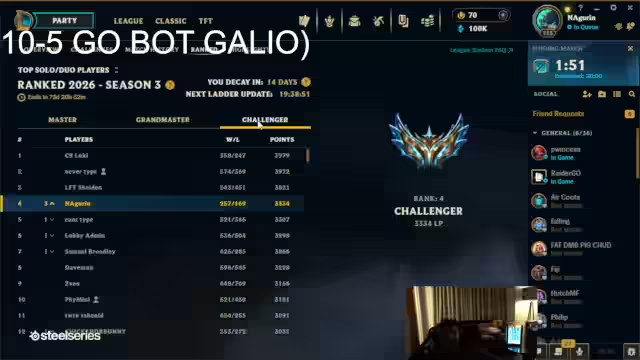
The player checks his LP and rank, noting that he has gained significant LP over the course of the stream. He mentions that he is at 610 LP with a 64% winrate over 17 games, which he considers good. He also talks about 'W server' and how it reflects his success. He reflects on his progress from 0 to top 10, stating that the climb from top 10 to rank 1 is equally difficult. He ends the stream by thanking his viewers for their support and expressing his intention to continue pushing for rank 1 in the next sessions. This section serves as a conclusion, highlighting his goals and the effort he has put into his climb.